Creo Odyssey Paint Outdoors 6th May Exploring the Art of Sketching and Painting Outdoors at a Horse Farm in West Ashling
- Creo Odyssey
- Jun 17
- 3 min read
Sketching and painting outdoors offer artists a unique opportunity to capture the natural world with immediacy and authenticity. When the setting is a horse farm in West Ashling, the experience becomes even richer. The combination of open fields, grazing horses, rustic farm buildings, and changing light creates a dynamic environment that challenges and inspires artists. This post explores how to make the most of sketching and painting outdoors at such a location, sharing practical tips, insights, and examples to help artists of all levels.

Preparing for Outdoor Sketching and Painting
Before heading to the horse farm, preparation is key. Outdoor art sessions require different materials and mindset compared to studio work.
Choose portable materials: Lightweight sketchbooks, travel watercolor sets, compact easels, and a limited palette help keep your setup manageable.
Dress for the weather: West Ashling’s climate can be changeable. Layered clothing and waterproof gear ensure comfort.
Bring essentials: Water, snacks, insect repellent, and a hat protect you during long sessions.
Scout the location: Arriving early allows you to find good vantage points and observe the horses’ behavior.
Capturing the Movement and Spirit of Horses
Horses are dynamic subjects. Their movement and posture change constantly, so capturing their essence requires quick observation and sketching skills.
Use quick gesture sketches: Start with loose lines to record the horse’s pose and energy.
Focus on key features: The curve of the neck, the angle of the legs, and the shape of the head help convey character.
Observe light and shadow: The way sunlight falls on the horse’s coat adds volume and depth.
Practice patience: Horses may move unpredictably, so be ready to adapt your drawing.

Working with Natural Light and Changing Conditions
Outdoor light changes throughout the day, affecting colors and shadows. West Ashling’s open farm landscape offers varied lighting conditions.
Start early or late: Morning and late afternoon light create warm tones and long shadows.
Use a limited color palette: This helps maintain harmony as light shifts.
Take photos for reference: When light changes too fast, photos can help complete the painting later.
Embrace imperfection: The goal is to capture the feeling of the moment, not a perfect replica.

Composition Tips for Farm Scenes
A horse farm offers many elements to include in your artwork: horses, fences, barns, trees, and fields. Good composition balances these elements.
Create focal points: Position the horse or group of horses where the eye naturally falls.
Use leading lines: Fences, paths, and shadows guide the viewer’s gaze.
Include foreground interest: Grass, flowers, or farm tools add depth.
Simplify the scene: Avoid clutter by focusing on a few key elements.
Techniques for Different Mediums
Different art mediums offer unique advantages for outdoor work.
Pencil and ink: Great for quick sketches and detailed line work.
Watercolor: Captures lightness and transparency, ideal for changing light.
Acrylics: Dry fast and allow layering, useful for bold colors.
Pastels: Offer rich texture and vibrant color but require careful handling outdoors.

Practical Example: A Morning Sketch Session at West Ashling
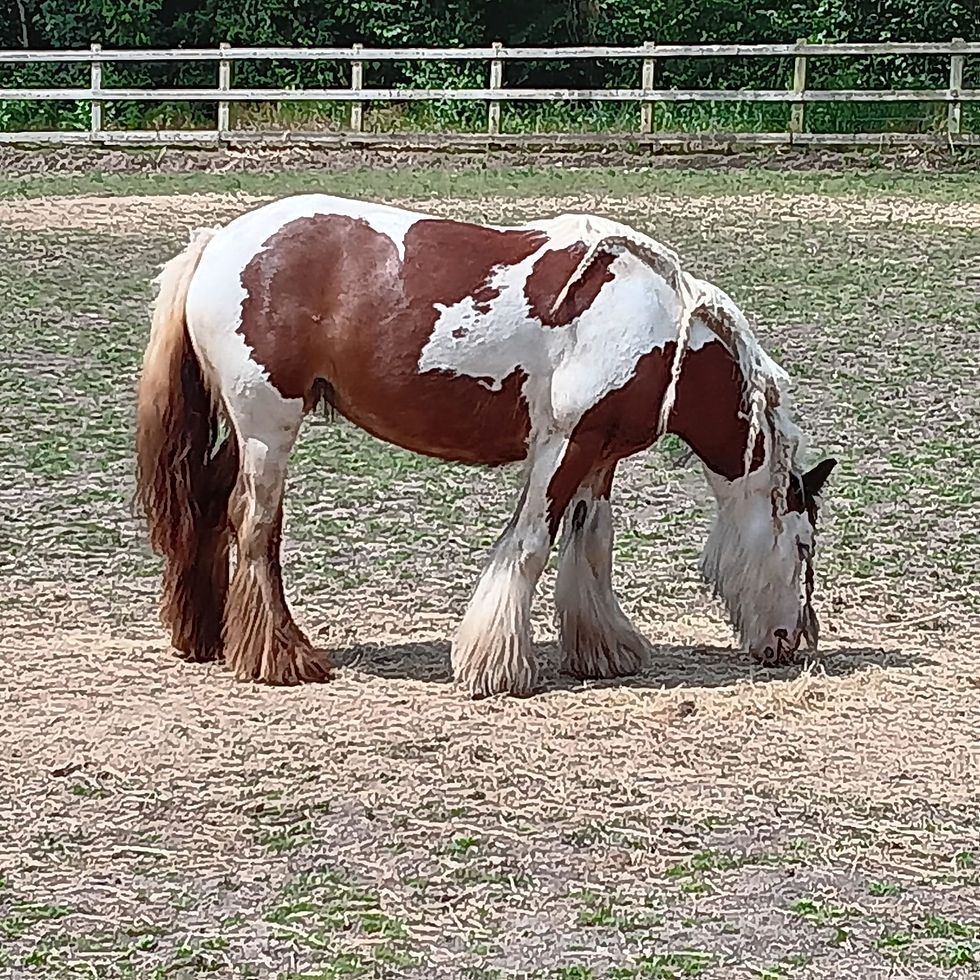
Imagine arriving at the farm just after sunrise. The air is crisp, and the horses are calm. You set up near a wooden fence where a chestnut horse grazes.
Begin with a few quick pencil sketches to capture the horse’s stance.
Notice the golden light hitting the horse’s mane and use warm yellows and browns in your watercolor palette.
Add details like the texture of the fence and the soft grass in the foreground.
As the horse moves, switch to capturing the new pose with loose lines.
Finish with a few ink strokes to define shapes and add contrast.
This approach balances observation, speed, and artistic interpretation.

Benefits of Sketching and Painting Outdoors at a Horse Farm
Working outdoors at a horse farm offers benefits beyond the art itself.
Connection with nature: Being surrounded by animals and open space refreshes creativity.
Improved observation skills: The need to capture fleeting moments sharpens focus.
Physical activity: Walking and changing viewpoints keep the body engaged.
Unique subject matter: Horses and farm life provide rich, varied inspiration.

Overcoming Challenges
Outdoor painting comes with challenges such as weather, insects, and distractions.
Weather: Check forecasts and be ready to pause or pack up if conditions worsen.
Insects: Use natural repellents and wear protective clothing.
Distractions: Find quiet spots and set boundaries to focus on your work.
Equipment issues: Bring backups like extra brushes and paper.

Final Thoughts on Outdoor Art at West Ashling Horse Farm
Sketching and painting outdoors at a horse farm in West Ashling offers a rewarding way to develop artistic skills and enjoy nature. The combination of moving horses, natural light, and rustic surroundings creates a rich canvas for creativity. By preparing well, observing carefully, and embracing the environment’s challenges, artists can produce work that captures the spirit of the farm and the beauty of the moment.


Comments